We’ve recently been extending our community-placed digital inclusion to explore how front-line workers and voluntary sector can better support the people they work with digitally.
This requires an approach which supports people to be more confident in their own knowledge and capability whilst ensuring that the support they give follows a form of best practice and reduces dependency.
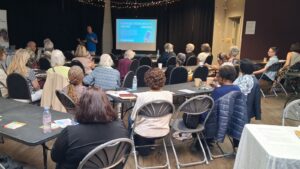
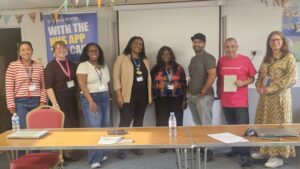
A huge stepping-stone for this has been forming what is now called our Community Resilience & Online Safety programme which we have recently been running Croydon and are now about to launch in Lambeth. The goal is to train the voluntary sector to support the people they work with to be safer online and be confident this is being done in a consistent way.
We’ve partnered with the MET Cyber Protect team to provide a good grounding in the risks and realities of common cyber threats and the Computer Misuse Act which allowed us to really drill into how we can recognize people in the community who have either be at risk or have been compromised and to provide the appropriate support for this situation.
This is then followed the week after with small group work and practical activities thinking through common scenarios and approaches.
This then leads into dedicated sessions focusing on Tech Facilitated Abuse and how we can support people against online harm and cyber stalking.
We include the tools and techniques to support people to audit and secure their accounts and devices in a person-centred way so that they have an opportunity to move on emotionally and competently.
This will have its own journey and timeline depending on circumstances and so I have been long interested in how we can build community solution that allow people to be able to work to their own plan of things whilst getting access to a supportive environment – crucial components in all our work.
Central to all of this has been the development of our Resilience Plan approach and hugely influenced by the LinkedIn posts from Marc Raphael at 911Cyber
Key to the success of the training is developing a range of scenarios and activities for volunteers and frontline staff to explore and to help people to think through a strategy to help someone with.
This is very similar to the Exercise in a box approach from the NCSC, the key difference being context and language. The vernacular of IT is barrier and is something that we address.
This is less about being a cyber security expert and more about what I can do for community members to help them when something happens in an empowering way and is often about helping someone to gather their thoughts.
In many ways it’s like an Active Bystander approach.